Exploring the realm of Product Liability Lawyers and their role in holding companies accountable for hazardous products sets the stage for a compelling discussion. This introduction aims to provide a comprehensive overview of the subject matter, engaging readers from the outset.
Further details will delve into the nuances and intricacies of product liability law, shedding light on the complexities of legal action against companies for their unsafe products.
Overview of Product Liability Lawyer
Product liability lawyers play a crucial role in representing individuals who have been harmed by dangerous products. These legal professionals specialize in holding companies accountable for manufacturing and selling products that pose a risk to consumers. When suing companies for such products, product liability lawyers have specific responsibilities to ensure that their clients receive fair compensation for injuries or damages suffered.
They must gather evidence, build a strong case, negotiate with the company or their insurance, and advocate for their clients in court if necessary.
Examples of High-Profile Cases
- In 1999, a product liability lawyer successfully sued Ford Motor Company on behalf of victims injured by defective tires on Ford Explorer vehicles. The case resulted in a multi-million dollar settlement for the affected individuals.
- More recently, Johnson & Johnson faced numerous lawsuits over their talcum powder products causing ovarian cancer. Product liability lawyers were instrumental in securing significant settlements for the victims and their families.
- In the pharmaceutical industry, product liability lawyers have taken on cases involving dangerous prescription drugs that led to severe side effects or even death. These legal battles have forced drug companies to take responsibility for their products and compensate those affected.
Types of Dangerous Products
When it comes to product liability cases, there are various types of products that can be considered dangerous due to their potential risks. These risks often lead to lawsuits against the companies responsible for manufacturing or selling them.
Defective Electronics
- Faulty batteries in smartphones or laptops can lead to explosions and fires, causing serious injuries.
- Malfunctioning electrical components in household appliances can pose a risk of electrocution.
Pharmaceutical Drugs
- Medications with undisclosed side effects or improper labeling can result in harmful reactions or medical complications.
- Prescription drugs that are improperly manufactured may contain contaminants or incorrect dosages, leading to severe health issues.
Children’s Toys
- Toys with small parts that can be choking hazards may pose a danger to young children.
- Products made with toxic materials can have adverse effects on a child’s health if ingested or exposed to for extended periods.
Automobile Parts
- Faulty airbags or brakes can increase the risk of accidents and injuries in vehicles.
- Defective tires or steering components can lead to loss of control while driving, resulting in collisions.
These are just a few examples of well-known dangerous products that have led to legal action against companies. It is essential for consumers to be aware of the potential risks associated with products they use daily and to hold companies accountable for ensuring product safety.
Legal Basis for Product Liability Claims
When it comes to product liability claims, individuals have the legal right to sue companies for distributing dangerous products that cause harm. This legal framework ensures that consumers are protected from faulty or unsafe products, holding manufacturers and sellers accountable for any damages caused.
Types of Product Liability Claims
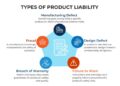
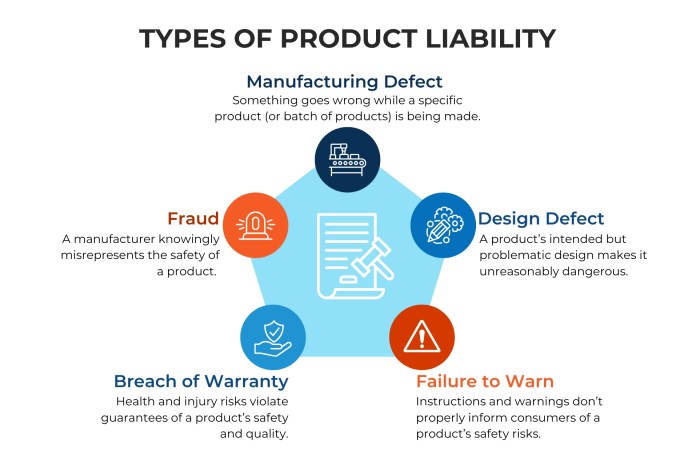
- Strict Liability: In this type of claim, the plaintiff does not need to prove negligence on the part of the manufacturer or seller. It is only necessary to show that the product was defective and caused harm.
- Negligence: This type of claim requires proving that the manufacturer or seller acted negligently in the design, production, or marketing of the product, leading to the harm suffered by the consumer.
- Breach of Warranty: If a product fails to meet the express or implied warranties provided by the manufacturer or seller, the consumer may file a claim based on breach of warranty.
Elements to Establish Liability
When pursuing a product liability claim, certain elements need to be proven in order to establish liability. These elements typically include:
- The product was defective in design, manufacturing, or marketing.
- The defect caused harm or injury to the consumer.
- The product was being used as intended by the consumer at the time of the injury.
- The consumer did not make any substantial alterations to the product that could have contributed to the harm.
Steps Involved in a Product Liability Lawsuit
When a client approaches a product liability lawyer with a case, there are several key steps that are typically followed in the process of filing and pursuing a product liability lawsuit.
Initial Case Assessment and Investigation
Upon initial contact, the product liability lawyer will assess the merits of the case by gathering information from the client about the product, the injuries sustained, and any potential liability on the part of the manufacturer or other parties involved.
This may involve obtaining medical records, product documentation, and other relevant evidence to determine the strength of the case.
Filing the Complaint
Once the lawyer determines that there is a viable case, they will file a complaint in court on behalf of the client. This document Artikels the allegations against the defendant, the legal basis for the claim, and the damages sought by the plaintiff.
The defendant will then be served with the complaint and has a specified amount of time to respond.
Discovery Process
During the discovery phase, both parties exchange information and evidence related to the case. This may include depositions, interrogatories, requests for documents, and other forms of evidence gathering. The product liability lawyer will use this information to strengthen their case and prepare for trial.
Negotiation and Settlement
In many cases, product liability lawsuits are resolved through negotiation and settlement before going to trial. The lawyer will engage in discussions with the defendant’s legal team to try to reach a mutually agreeable resolution. If a settlement cannot be reached, the case will proceed to trial.
Trial and Verdict
If the case goes to trial, the product liability lawyer will present the evidence and arguments in court to prove the defendant’s liability and the damages suffered by the plaintiff. The judge or jury will then render a verdict based on the evidence presented.
If the plaintiff is successful, they will be awarded compensation for their injuries.
Appeals Process
After a verdict is reached, either party may choose to appeal the decision if they believe there were errors in the legal process. The appeals process involves a review by a higher court to determine if the trial was conducted fairly and in accordance with the law.
Compensation and Damages
When it comes to product liability cases, seeking compensation and damages is a crucial aspect of holding companies accountable for their dangerous products. In these cases, the goal is to provide financial relief to the victims who have suffered harm due to a defective product.
Types of Compensation and Damages
- Medical expenses: This includes reimbursement for past and future medical bills related to the injury caused by the defective product.
- Lost wages: Compensation for any income lost due to the injury, including potential future earnings if the injury has long-term effects on the victim’s ability to work.
- Pain and suffering: Damages awarded for the physical and emotional pain experienced as a result of the injury caused by the defective product.
- Punitive damages: In cases where the company’s actions were especially reckless or negligent, punitive damages may be awarded to punish the company and deter similar behavior in the future.
Calculating Compensation
Compensation in product liability cases is typically calculated based on the specific damages incurred by the victim. This includes quantifiable expenses like medical bills and lost wages, as well as non-economic damages like pain and suffering. The goal is to provide fair compensation that addresses all aspects of the victim’s suffering.
Examples of Significant Compensation
In a case against a pharmaceutical company, a jury awarded $8 billion in punitive damages to a man who developed female-like breasts after taking a medication.
In another case, a family was awarded $72 million in compensation after their loved one died due to a faulty airbag in their car.
Preventing Dangerous Products
Companies can take proactive measures to prevent the release of dangerous products into the market. By implementing stringent quality control measures and conducting thorough product testing, companies can reduce the risk of selling unsafe products to consumers.
Role of Regulatory Bodies
- Regulatory bodies play a crucial role in ensuring product safety by setting standards and regulations that companies must adhere to.
- These bodies conduct inspections and audits to verify compliance with safety guidelines and may impose penalties on companies that fail to meet requirements.
- Examples of regulatory bodies include the Consumer Product Safety Commission (CPSC) in the United States and the European Union’s CE marking system.
Recommendations for Consumers
- Before making a purchase, consumers should research the product and check for any recalls or safety alerts issued by regulatory agencies.
- Read product reviews and ratings from other consumers to gauge the product’s safety and reliability.
- Follow the manufacturer’s instructions for product use and maintenance to minimize the risk of accidents or injuries.
- If a product seems unsafe or defective, consumers should report it to the manufacturer and relevant regulatory authorities.
Last Recap
In conclusion, the discussion surrounding Product Liability Lawyers and their pursuit of justice against companies for dangerous products serves as a reminder of the importance of consumer safety and legal recourse. By understanding the legal landscape and the steps involved in such cases, individuals can navigate these challenges with greater awareness and confidence.
Top FAQs
What types of products are considered dangerous?
Products such as defective medical devices, toxic substances, and poorly designed consumer goods can be classified as dangerous.
How is compensation calculated in product liability cases?
Compensation in product liability cases is typically calculated based on factors like medical expenses, lost wages, pain and suffering, and punitive damages, if applicable.
What are the elements that need to be proven to establish liability in product liability cases?
To establish liability, a plaintiff must prove that the product was defective, the defect caused harm, and the product was being used as intended.